The Illusions of Support and Normalcy
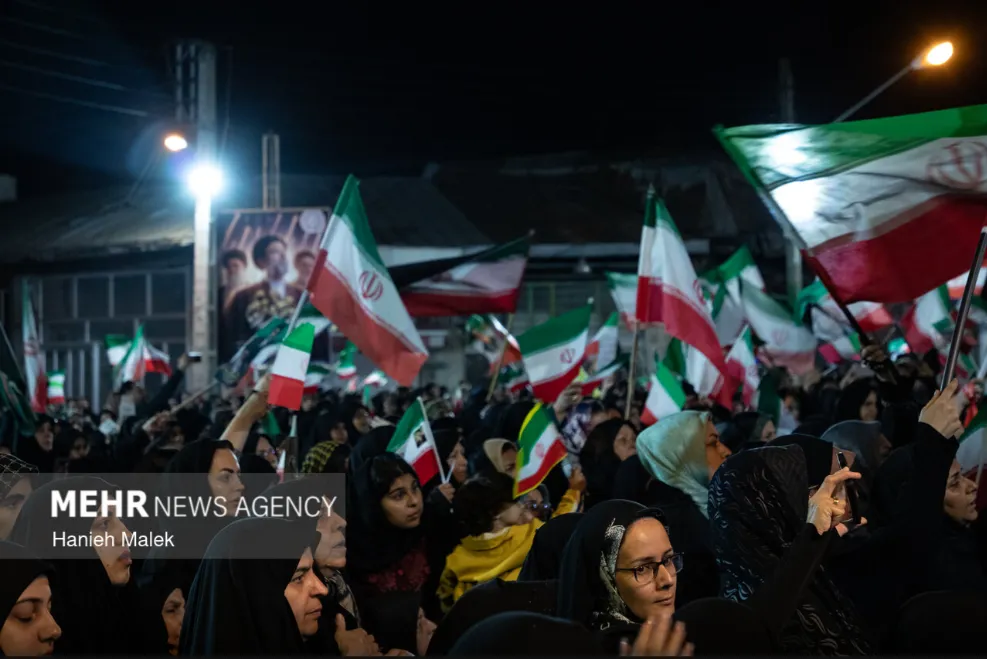
As the Islamic Republic continues to broadcast images of nightly gatherings by its supporters in the streets, there is little reason to believe that these displays of support are entirely organic. Numerous reports point to the use of financial incentives, institutional pressure, and various forms of coercion to encourage participation in rallies and public demonstrations of loyalty. The very need to manufacture visible support reflects the regime’s own awareness that it no longer commands overwhelming public legitimacy.
While some participants are undoubtedly genuine supporters of the regime, many others who attend such gatherings are not necessarily ideological loyalists. Over the years, interviews and studies have documented how economically struggling individuals participated in regime-organized ceremonies in exchange for small payments, free transportation, meals, or the opportunity for a brief trip outside their towns with their families. For many participants, these events functioned less as political acts and more as temporary escapes from economic hardship and daily frustration; experiences they often could not otherwise afford.
These orchestrated street scenes are carefully designed for both domestic and foreign audiences. Their purpose is to project stability, unity, and resilience. Yet beneath the spectacle lies the image of a regime deeply aware of its own fragility and of the unresolved anger simmering within society. The authorities understand that nothing within the deeper social fabric has truly returned to normal since the January massacre. Public resentment, in many ways, appears to be intensifying alongside worsening economic conditions, inflation, declining living standards, and growing fears surrounding future shortages of water, fuel, and other essential resources.
For observers attempting to understand societal dynamics or assess the potential for future unrest, surface-level appearances can be deeply misleading. The continuation of ordinary daily life, including the presence of people in markets, parks, cafés, and restaurants, does not necessarily indicate political satisfaction or reconciliation with the state.
Human beings continue living even in periods of grief, fear, and despair. People still buy groceries, share meals, laugh briefly with friends, play with their children, and search for moments of normalcy amid uncertainty. Such ordinary behaviors should not automatically be interpreted as signs that public anger has faded or that deeper grievances have been resolved. Beneath outward routine, profound frustration and distrust may continue to accumulate quietly over time.