Mood in Tehran: Defiance After the Massacre
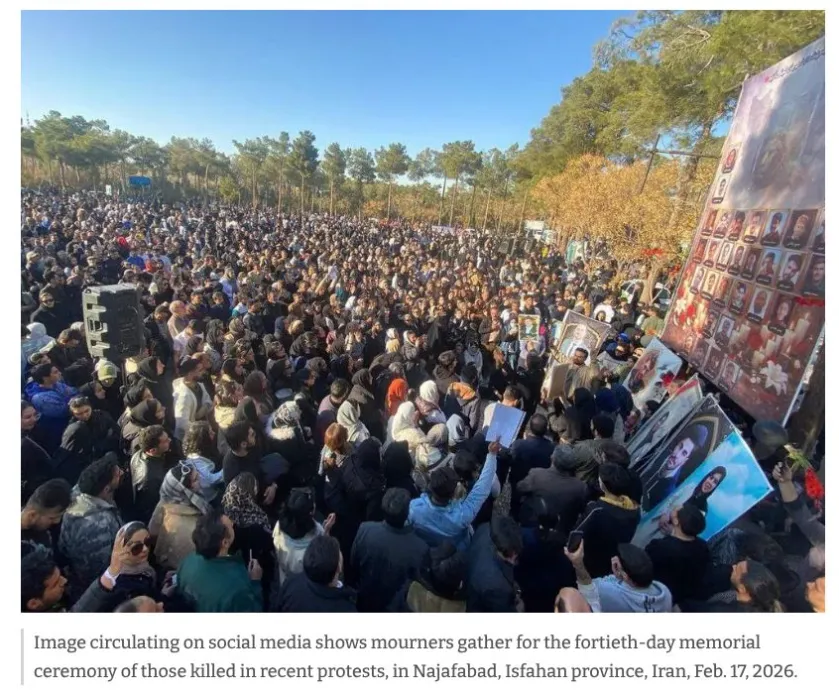
Forty days after the massacre of protesters, developments inside Iran suggest not a subdued society, but a more unified and defiant one. Images emerging from across the country indicate that the killings failed to suppress public dissent. They strengthened solidarity among neighbors, local communities, and the Iranian diaspora.
The social contract that once existed between the population and the state, even in its most basic form, appears fundamentally broken. There is little evidence that the regime, the current administration, or its intermediaries can meaningfully restore it.
At the same time, as speculation grows about the possibility of military escalation, many inside Iran, whether opposed to war or not, openly question the consequences of Khamenei’s failed policies. A recurring sentiment circulating on social media captures the depth of public frustration: “Why should we be the only ones who die?” The question reflects a hardened perception that state violence against citizens has already normalized large-scale bloodshed. In that context, official warnings about the dangers of war carry diminished moral weight among segments of the population.
This internal dynamic, marked by anger, disillusionment, and defiance, is the reality the regime now confronts domestically.