Mood in Tehran: The Strategic Importance of Internal Erosion
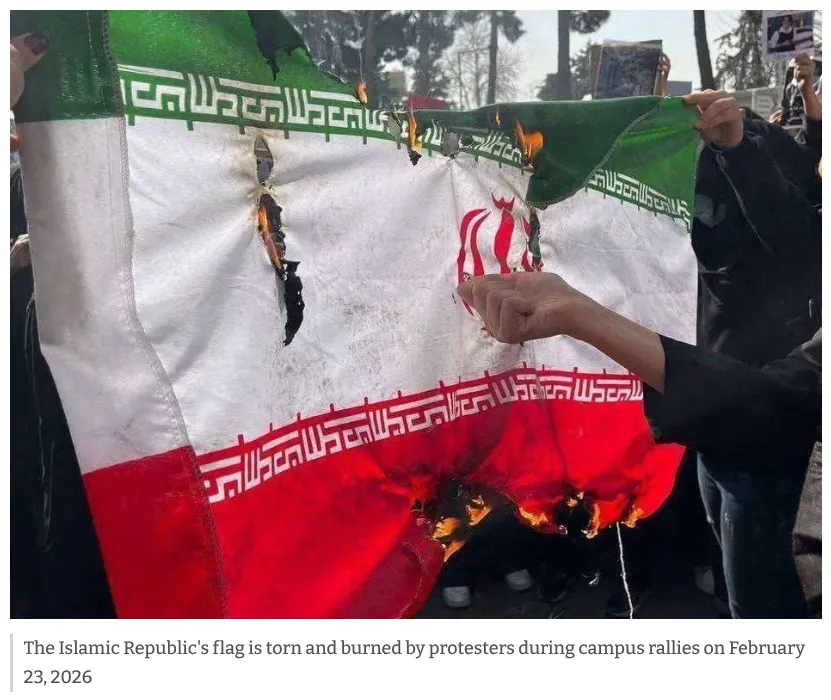
Is the uncertainty surrounding current negotiations between Tehran and Washington an unintended consequence for both sides? Is it part of a calculated U.S. pressure strategy? Or does it primarily reflect the Islamic Republic’s own structural weaknesses and policy failures, merely amplified by diplomacy?
Whatever the answer, one reality is becoming increasingly clear: prolonged uncertainty is taking a toll on Iran’s political system. Reports of capital flight, elite maneuvering, and internal disputes, including disagreements over how to manage the social fallout from recent crackdowns and how to respond to continuing protests, suggest deepening economic, political, and security instability. The continuation of negotiations, combined with the visible presence of U.S. military forces in the region, may further heighten this atmosphere of ambiguity and raise the cost of strategic decision-making for Tehran.
Many of the challenges confronting the Islamic Republic, including chronic economic decline and widespread public dissatisfaction, are not new. What appears to be new is the cumulative effect of sustained uncertainty. External actors do not necessarily need to create new vulnerabilities; prolonged ambiguity can intensify existing ones, accelerating a process of internal erosion.
From a structural perspective, the longer this uncertainty persists, the more likely it is to widen mistrust among elites, weaken internal cohesion, and place greater strain on the regime’s legitimacy and policy direction. Over time, such conditions can leave a society more psychologically prepared for [regime] change. These dynamics may shape the timing and trajectory of future developments and influence calculations about whether any form of external action becomes more or less likely.